














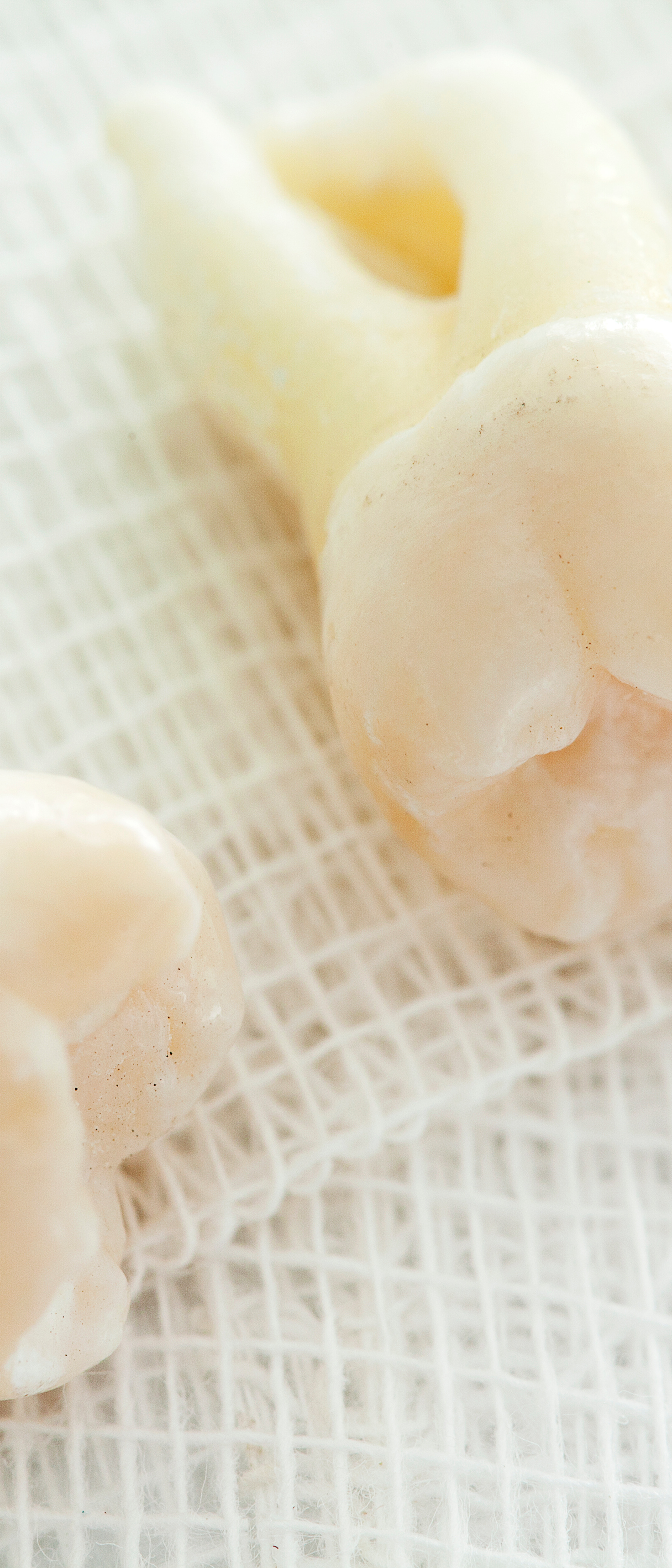



Wisdom Teeth

Wisdom Teeth Removal, Toorak

Management of Impacted Wisdom Teeth

The eruption of wisdom teeth (third molars) can often cause discomfort, infection, and crowding. When these issues arise, professional assessment and removal is often the most appropriate treatment.

While the thought of oral surgery can be daunting, the experienced team at Toorak Dental Studio is dedicated to ensuring your safety and comfort. We work within a modern clinical environment to provide quality care for our patients. Our focus is on providing a supportive service that aims to help you feel at ease while keeping discomfort to a minimum.

Toorak Dental Studio team

When to book a consultation

If you are experiencing swollen gums, bleeding, jaw pain, or signs of overcrowding, these may be symptoms related to your wisdom teeth.

Impacted wisdom teeth often require removal to prevent infection, cysts, or damage to adjacent teeth. We encourage you to book an appointment at Toorak Dental Studio for a comprehensive assessment with our experienced team to determine if removal is required.

Prioritising Patient Comfort

Depending on the complexity of the removal required, it is natural to feel some anxiety—especially if you require emergency treatment.

Our main focus is ensuring our patients feel supported and comfortable. Please let us know if you have specific concerns, and we will discuss the various anxiety management solutions available to assist you.

Wisdom Teeth Management at Toorak Dental Studio

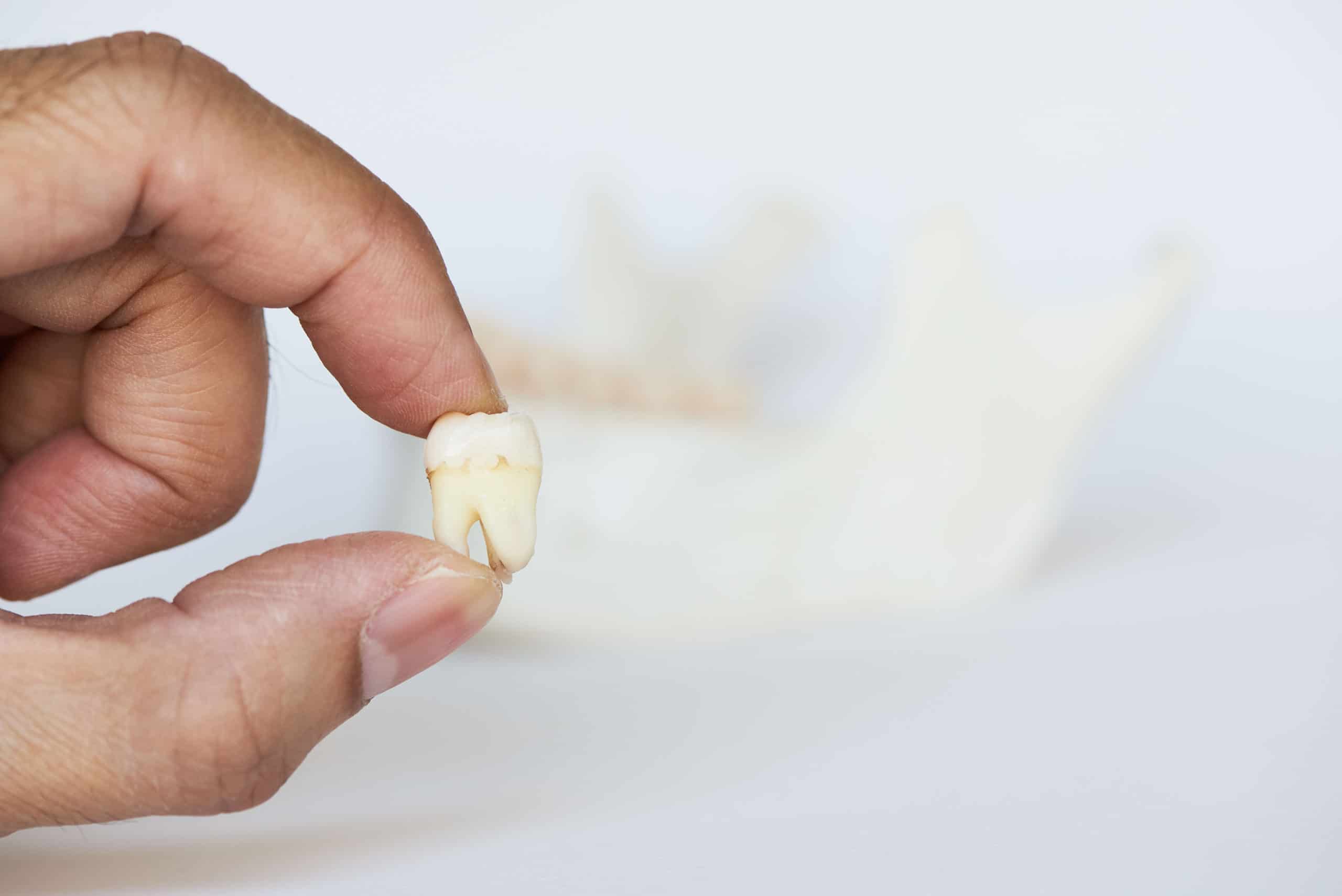
Wisdom teeth (third molars) are typically the last teeth to erupt, usually appearing between the ages of 17 and 25.

While some wisdom teeth emerge without issue, others may become impacted or cause crowding, making removal necessary. Similar to our general dentistry services, we focus on patient comfort and use modern clinical techniques to assist in managing painful dental conditions.

If extraction is required, our team is experienced in performing tooth removal procedures safely and efficiently.

NEW TO TOORAK DENTAL STUDIO? DISCOVER OUR IDEOLOGY OF CARE

What are Wisdom Teeth?

Wisdom teeth (third molars) are the final set of teeth to develop. They typically erupt in the late teens or early twenties, although they can sometimes cause issues later in life.

Because they erupt last, there is often insufficient space in the jaw to accommodate them. This can cause the teeth to become impacted (stuck), grow at an angle, or only partially erupt, potentially leading to pain, infection, or the need for urgent dental care.

Due to these potential complications, wisdom tooth removal is a common dental procedure. At Toorak Dental Studio, our experienced team is dedicated to managing these cases safely and effectively.

When to consider wisdom tooth removal

With a range of potential issues arising when wisdom teeth erupt, it can be difficult to know exactly when to seek professional advice regarding extraction.

At Toorak Dental Studio, we utilise modern facilities to provide quality patient care. Our experienced team is dedicated to managing your treatment efficiently, with a focus on patient support to assist in minimising discomfort.

Partial Eruption (Partially Impacted)

When a wisdom tooth only partially breaks through the gum, it can create a flap of gum tissue where food and bacteria may become trapped. This often leads to recurrent infection (pericoronitis), pain, and swelling.

If the tooth grows at an angle, it may also place pressure on the adjacent molar, potentially causing discomfort or difficulty cleaning the area.

Full Impaction (Hidden within the gums)

A wisdom tooth that is fully covered by gum or bone is known as an "impacted" wisdom tooth. While sometimes asymptomatic, impacted teeth can develop pathology such as cysts, or cause damage (resorption) to the roots of the adjacent teeth.

Regular monitoring via X-rays is recommended, as untreated impactions may pose a risk of gum disease or decay in the neighbouring teeth over time.

Pressure on Adjacent Teeth

Erupting wisdom teeth can exert significant pressure on the neighbouring second molars. This tight contact can make cleaning difficult, increasing the risk of decay or gum inflammation in that area.

Extraction is often recommended to alleviate this pressure, aiming to prevent damage to the healthy adjacent teeth and maintain overall oral hygiene.

Why is removal recommended?

Removal may be recommended when wisdom teeth cause pain, infection, or damage to adjacent structures. As every case is unique, we assess the potential for complications on an individual basis. We recommend consulting with your dentist to determine the most appropriate course of action for your specific needs.

Damage to Adjacent Teeth If a wisdom tooth erupts at an angle or without sufficient space, it can place pressure on the neighbouring second molar. This pressure may lead to resorption (damage) of the healthy tooth root or increase the risk of decay in the area, often making removal the recommended option to protect the adjacent teeth.

Cysts and Jaw Pathology Wisdom teeth develop within a sac inside the jawbone. If the tooth remains impacted, this sac can sometimes fill with fluid, forming a cyst. While less common, untreated cysts can damage the jawbone, nerves, and adjacent teeth. Removal is often advised to prevent these pathological changes.

Sinus Involvement The roots of upper wisdom teeth are located in close proximity to the maxillary sinuses. In some cases, inflammation or infection around these teeth can lead to sinus pressure or congestion. Your dentist will assess the relationship between your teeth and sinuses using X-rays or 3D imaging.

Gum Inflammation (Pericoronitis) Impacted or partially erupted wisdom teeth can create a flap of gum tissue that is difficult to clean. This can trap food and bacteria, leading to painful inflammation, swelling, and infection known as pericoronitis.

Risk of Decay Due to their position at the back of the mouth, wisdom teeth can be difficult to reach with a toothbrush or floss. This makes them more susceptible to tooth decay (cavities). If a cavity cannot be effectively restored due to access issues, removal may be necessary to prevent the spread of infection.

Management of Impacted Wisdom Teeth

Fully or partially impacted wisdom teeth present unique challenges compared to standard extractions. Because a fully impacted tooth is covered by gum tissue or bone, the removal procedure is classified as a surgical extraction.

This procedure typically involves making a small incision in the gum to access the tooth. Following removal, sutures (stitches) are often placed to assist healing. Due to the surgical nature of this treatment, a slightly longer recovery period may be expected compared to a simple extraction.

Preparing for Wisdom Tooth Removal

Pre-Operative Instructions:

  • Understand the procedure: Ensure you have read your treatment plan and consent forms so you know what to expect.
  • Fasting (Important):
    • For Sedation/General Anaesthesia: You must generally fast (no food or drink) for 6 hours prior to your appointment. Specific instructions will be provided.
    • For Local Anaesthesia (Awake): Please eat a light meal before your appointment to prevent low blood sugar and fainting.
  • Transport: If you are undergoing sedation or general anaesthesia, you legally cannot drive home. Please arrange for a responsible adult to transport you.
  • Pain Management: Organise over-the-counter pain relief (such as ibuprofen or paracetamol) at home prior to your appointment so it is ready for your recovery.
  • Work/Study: We recommend booking a few days off work or school to allow your body to heal.
  • Nutrition: Stock up on soft foods (soup, yoghurt, mashed vegetables), as a soft diet is recommended for 3–4 days following surgery to protect the wound.

The Removal Procedure

Wisdom tooth removal is a common oral surgery procedure. The process may vary depending on the complexity of the impaction and the type of anaesthetic selected.

Anaesthetic Options: The procedure can be performed under Local Anaesthetic (numbing the area while you remain awake), IV Sedation (twilight sedation), or General Anaesthetic (unconscious in a hospital setting).

The Surgical Process:

  1. Anaesthesia: The appropriate anaesthetic is administered to ensure comfort and manage pain.
  2. Access: If the tooth is impacted below the gum, a small incision is made to expose the tooth and jawbone.
  3. Bone Removal: If bone tissue is blocking access to the tooth root, a small amount may be removed.
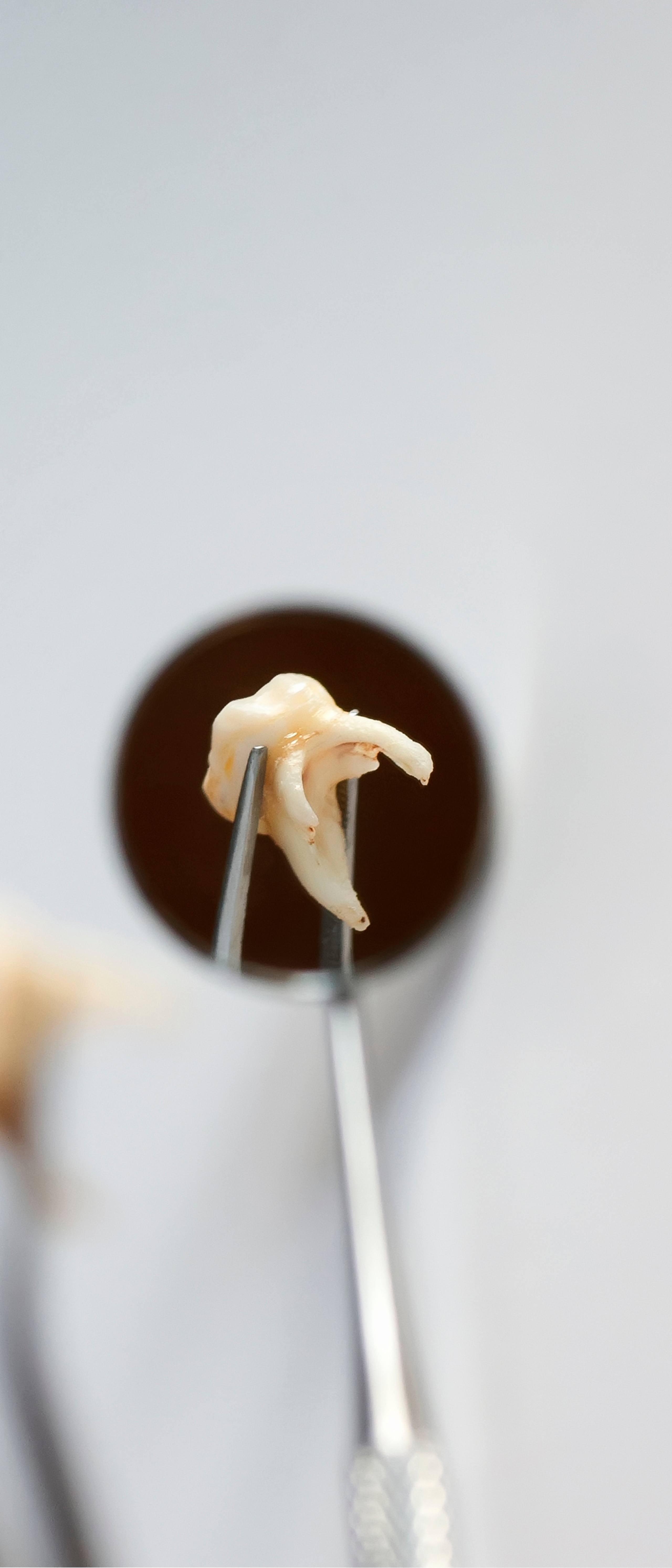
  4. Sectioning: To facilitate easier removal and minimise trauma to the surrounding bone, the tooth may be divided (sectioned) into smaller pieces.
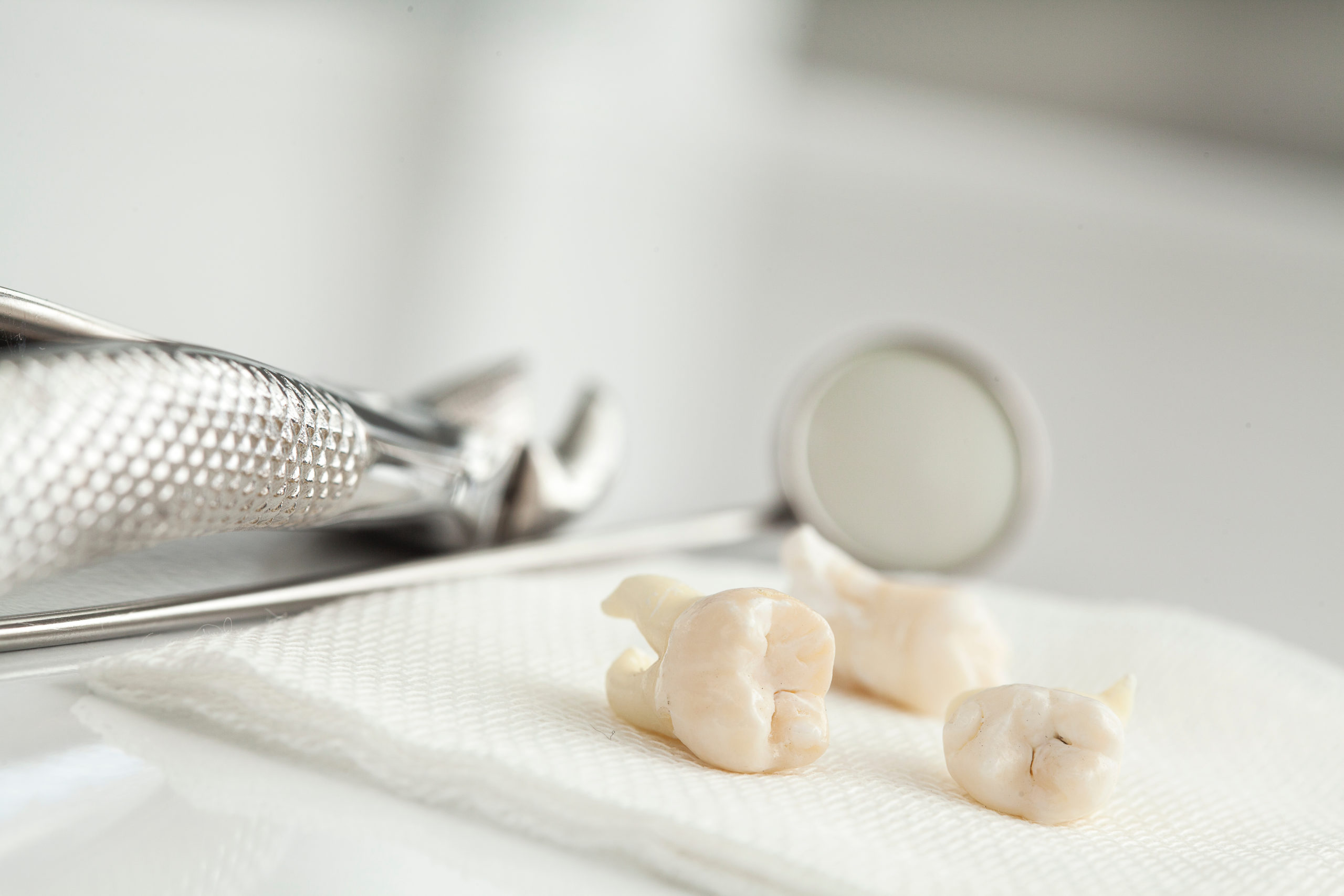
  5. Extraction: The tooth is carefully removed.
  6. Cleaning: The site is thoroughly cleaned to remove any debris or tooth fragments.
  7. Suturing: Stitches (sutures) may be placed to assist with healing.
  8. Haemostasis: Gauze is placed over the extraction site to control bleeding and aid in the formation of a blood clot.
  9. Recovery: If you have undergone sedation or general anaesthetic, you will be monitored in a recovery area until you are ready to be discharged.

Wisdom Teeth Removal Recovery Timeline

Recovery following wisdom tooth removal varies for every patient, depending on the complexity of the extraction. While initial healing occurs within the first few days, complete soft tissue healing typically takes up to two weeks.

General Recovery Guide:

  • First 24 hours: A blood clot forms in the socket to protect the wound. It is critical not to disturb this clot.
  • 2–3 Days: Swelling and discomfort usually peak and then begin to subside. Stick to a soft diet (e.g., soup, yoghurt, mashed vegetables).
  • 7 Days: If non-dissolvable stitches were placed, they may be removed at this stage. Dissolvable stitches will begin to disappear.
  • 7–10 Days: Jaw stiffness and soreness typically resolve, allowing a return to a normal diet.
  • 2 Weeks: For most patients, the extraction site is comfortable, and bruising has healed.
  • Supporting Your Recovery To assist healing and reduce the risk of infection (dry socket), we recommend avoiding smoking, alcohol, and vigorous rinsing for the first few days. If you have any concerns during your recovery, please contact our team for advice.

    Common Questions about Wisdom Teeth Removal

    Qualified Dental Practitioners

    Meet Our Industry Recognised Team

    A warm, welcoming service

    Our friendly team strives to make every visit as comfortable and positive as possible

    Modern Dental Technology

    Committed to ongoing training and advanced technology.

    Calm, soothing environment

    We provide care options to assist anxious patients in feeling at ease.

    Family-owned & established for over 35 years

    A dedicated provider for families seeking quality dental care.
    CONTACT US

    Request a wisdom teeth removal consultation

    Fill out the form below and we will contact you during our working hours.

    If you have a dental emergency, please call 9804 7710. Urgent care is provided usually the same day.